Practical ways to stay cool, improve comfort, and help your HVAC system handle extreme summer temperatures
When a Utah heat wave arrives, it can feel like your air conditioner never stops running. Temperatures in the 90s and 100s put extra demand on your HVAC system and can make even well-maintained homes feel less comfortable.
The good news is that there are several things homeowners can do to improve comfort during extreme heat. Some are simple adjustments you can make yourself, while others may require a professional evaluation of your system and airflow.
Understanding how your home gains heat and how your HVAC system responds can help you stay comfortable all summer long.
What Happens to Your Home During a Heat Wave?
Your air conditioner is fighting more heat than usual
On a typical summer day, your AC removes heat from your home and releases it outside. During a heat wave, there is simply more heat entering the home throughout the day.
Sunlight, attic temperatures, windows, and outdoor air all contribute to the workload your system has to handle.
Longer run times are normal
Many homeowners become concerned when their AC seems to run constantly during extreme heat.
In reality, longer run times are often normal when temperatures are significantly higher than average. Air conditioners are designed to maintain comfort, not necessarily cool the home as quickly as possible during extreme weather.
Keep Sunlight From Adding Extra Heat
Windows are one of the biggest sources of heat gain
Direct sunlight can dramatically increase indoor temperatures, especially in rooms with large south-facing or west-facing windows.
Keeping blinds, curtains, or shades closed during the hottest part of the day can help reduce heat entering the home.
Don’t overlook afternoon sun
Many homeowners notice certain rooms become uncomfortable in the late afternoon.
This often happens because those rooms receive direct sunlight for several hours, causing them to heat up faster than the rest of the home.
Make Sure Air Can Move Freely Through Your Home
Blocked vents reduce comfort
Furniture, rugs, and other household items can block supply or return vents without homeowners realizing it.
When airflow is restricted, cooled air cannot reach rooms effectively, leading to uneven temperatures throughout the home.
A dirty filter can affect airflow
One of the simplest things homeowners can check during a heat wave is their air filter.
A clogged filter restricts airflow and forces the system to work harder. During the summer months, filters often collect dust and debris faster because the system runs more frequently.
Don’t Expect the Thermostat to Fix Everything
Lowering the temperature won’t make your AC cool faster
A common misconception is that setting the thermostat much lower will cool the home more quickly.
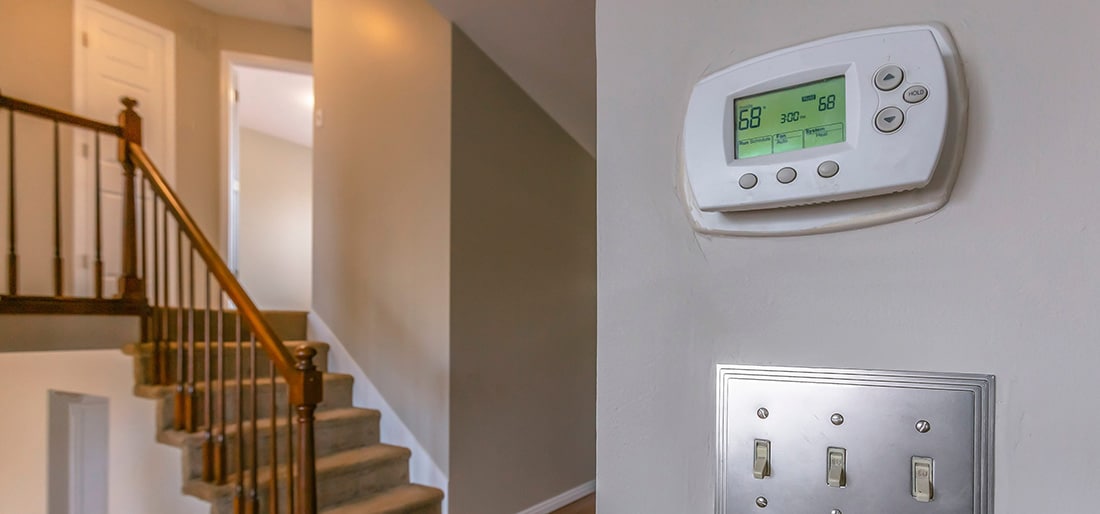
Your thermostat simply tells the system when to turn on and off. Lowering it from 72 to 65 degrees won’t make colder air come out of the vents. It only tells the system to run longer.
Consistent settings often provide better comfort
Making large thermostat adjustments throughout the day can sometimes lead to longer run times and less consistent temperatures.
A steady setting often helps the system maintain comfort more effectively.
Your Attic May Be Affecting Comfort More Than You Realize
Heat builds up above your ceiling
During a Utah summer, attic temperatures can become much hotter than the outdoor air.
That heat radiates downward into the living space and can make upper floors feel significantly warmer than lower levels.
Insulation helps slow heat transfer
Proper attic insulation helps reduce the amount of heat entering the home.
If some rooms consistently feel warmer than others, insulation may be one of the contributing factors.
Why Some Rooms Feel Hotter Than Others
Airflow isn’t always balanced
Not every room in a home receives the same amount of conditioned air.
Factors like:
- Duct design
- Distance from the HVAC system
- Window placement
- Ceiling height
can all affect comfort.
This is one of the most common summer complaints
Many homeowners along the Wasatch Front struggle with hot upstairs bedrooms, bonus rooms, and rooms above garages.
In many cases, airflow adjustments can improve comfort without major system changes.
For a deeper look at this topic, check out our blog:
Why Some Rooms in Your Home Are Always Uncomfortable
Preventative Maintenance Helps During Extreme Heat
Small issues become bigger when temperatures rise
A system that seemed fine during spring may struggle during the hottest weeks of summer.
Dirty coils, airflow restrictions, and worn components often become more noticeable when the system is under heavy demand.
Regular maintenance supports efficiency and reliability
Seasonal maintenance helps identify issues before they become breakdowns.
Many homeowners choose a maintenance plan that includes seasonal tune-ups, filters, repair discounts, and priority scheduling during peak demand.
You can learn more about those options here:
When It’s Time to Call a Professional
Some signs shouldn’t be ignored
If you notice any of the following, it may be time for an HVAC evaluation:
- Weak airflow from vents
- Warm air coming from registers
- Uneven cooling throughout the home
- Constant system operation without reaching the set temperature
- Sudden increases in utility bills
These symptoms often indicate a problem that can be diagnosed and corrected.
Stay Comfortable All Summer Long
Utah heat waves can put any home and HVAC system to the test. Fortunately, comfort often comes down to a combination of airflow, maintenance, insulation, and system performance.
By addressing small issues early and making sure your HVAC system is operating properly, you can stay more comfortable even during the hottest days of the year.
Ready to Improve Your Home’s Comfort?
If your home struggles to stay comfortable during extreme summer heat, Sammy’s Heating & Air can help identify the cause and recommend practical solutions.
Schedule online here:
Or call 801-698-0096 to speak with a member of the Sammy’s Heating & Air team.
Related Blog Posts
• Why Your Energy Bills Go Up in Summer (Even When Your AC Seems Fine)
• How Often Should You Change Your Air Filter?
• What Does a Spring AC Tune-Up Actually Include?
• Why Some Rooms in Your Home Are Always Uncomfortable