What homeowners between Ogden and Draper should know about airflow, comfort, and clean air
If your home has been feeling dustier than usual or your allergies seem worse lately, your air filter could be part of the reason.
This time of year, homes across Utah start seeing a noticeable increase in airborne particles. Even if your system was working fine a few months ago, spring conditions can change how your air feels fairly quickly.
Air filters are one of the simplest parts of your HVAC system, but they play a big role in how your home feels day to day. When they’re overlooked, it doesn’t take long for airflow and comfort to start slipping.
How Your Air Filter Actually Works
Air is pulled in, filtered, and sent back out
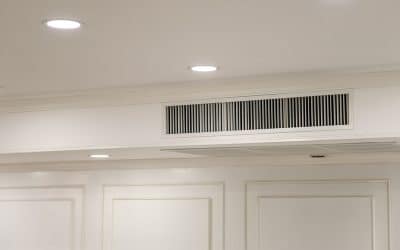
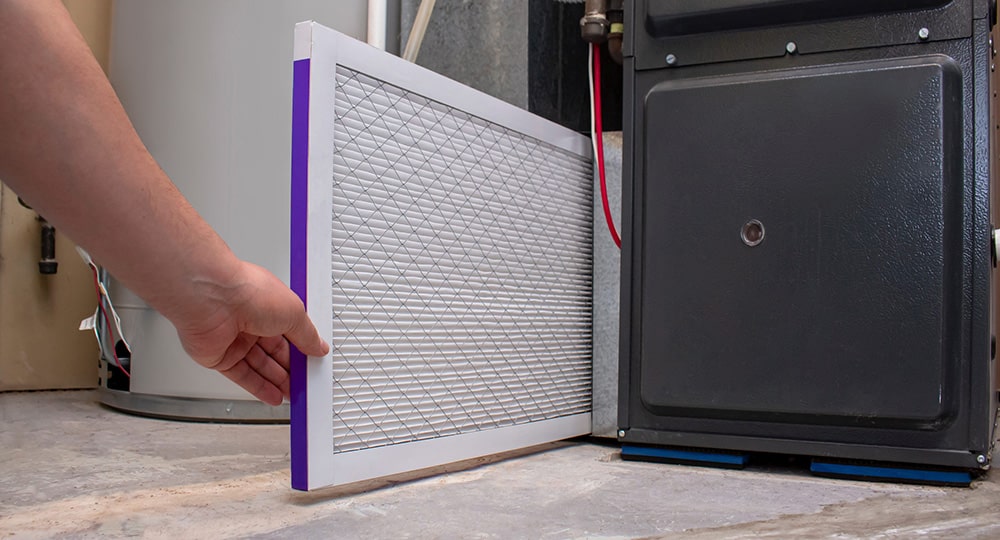
Your HVAC system pulls air from your home through return vents. That air passes through a filter before it reaches the system.
The filter catches particles before the air is heated or cooled and sent back through your vents.
This process happens continuously while your system runs, especially during warmer months when it cycles more often.
The filter protects both your air and your system
Air filters don’t just improve air quality, they also protect your equipment.
As air moves through the system, the filter helps prevent dust and debris from building up inside. Without that protection, buildup can happen quickly and affect how well the system operates.
Why Air Filters Matter More During Allergy Season
Spring brings more into your home than you realize
During spring in Utah, pollen levels rise and more particles make their way indoors through everyday activity.
Even homes that stay closed most of the time still bring in outdoor particles. Once inside, they continue circulating through the system.
Filters can fill up faster than expected
Because there is more in the air, filters tend to collect debris more quickly this time of year.
A filter that looked fine a few weeks ago can become restricted sooner than expected, especially once your system starts running more consistently.
What Happens When Your Filter Gets Dirty
Airflow starts to slow down
As a filter fills up, it becomes harder for air to pass through. This can reduce airflow across your home.
You might notice rooms taking longer to cool or feeling less consistent than usual.
Your system works harder than it needs to
When airflow is restricted, your system has to run longer to keep up. That added strain builds over time, especially during warmer weather when the system is already working more frequently.
More particles stay in the air
Once a filter is full, it can no longer capture particles as effectively. That means more dust and allergens continue circulating through your home.
For many homeowners, this is when they start noticing that the air feels heavier or that allergy symptoms increase indoors.
How Often Should You Change Your Air Filter?
It depends on your home and how it’s used
Every home is different. Factors like pets, occupancy, and how often your system runs all affect how quickly a filter fills up.
During allergy season, most homes will need more frequent filter changes than during cooler months.
Waiting too long is when problems start
Filters don’t always look completely blocked before they start affecting airflow.
By the time comfort changes are noticeable, the system has often already been working harder than it should.
Checking your filter regularly during spring is one of the easiest ways to stay ahead of that.
Choosing the Right Filter Matters Too
Higher isn’t always better
Filters with higher ratings can capture smaller particles, but they can also restrict airflow if your system isn’t designed for them.
Using the correct filter helps maintain a balance between air quality and system performance.
Proper fit makes a difference
If a filter doesn’t fit tightly, air can move around it instead of through it.
That allows particles to bypass the filter entirely, reducing its effectiveness.
Staying Consistent Is What Makes the Difference
It’s easy to fall behind without realizing it
Most homeowners don’t intentionally skip filter changes, it just gets overlooked. Especially during seasonal transitions, it’s easy to assume everything is still fine.
But this is often when filters are filling up the fastest.
Having a system in place helps avoid that
Some homeowners choose a maintenance plan that includes multiple filters throughout the year along with scheduled service.
This helps keep filter changes consistent, especially during seasons when buildup happens faster, and keeps the system running the way it should.
You can learn more about those options here:
https://sammyshvac.com/maintenance-plans/
Small Changes Can Make a Big Difference
Your air filter may seem like a small detail, but it plays a big role in how your home feels.
Staying ahead of filter changes, especially during allergy season, helps maintain airflow, improve comfort, and reduce unnecessary strain on your system.
Ready to Improve Your Home’s Air Quality?
If your home has been feeling dustier, less comfortable, or harder to breathe in lately, your filter and airflow may need attention.
Schedule online here:
https://sammyshvac.com/contact-us/
Or call 801-698-0096 to talk with a technician about your system and what may help improve comfort in your home.