Why some rooms feel perfect while others are too hot or too cold, and what homeowners can do about it
Have you ever walked from one room in your home to another and felt like you entered a completely different climate?
Maybe your upstairs bedrooms are too warm in the summer. Maybe the room above the garage is always uncomfortable. Or perhaps one side of the house never seems to reach the same temperature as the rest.
When this happens, many homeowners assume their air conditioner or furnace is the problem. In reality, comfort issues are often caused by airflow. Understanding how air moves through your home can help explain why some rooms feel comfortable while others do not.
What Is Airflow and Why Does It Matter?
Your HVAC system is designed to move air
Heating and cooling systems do more than heat or cool the air. They also move air throughout your home.
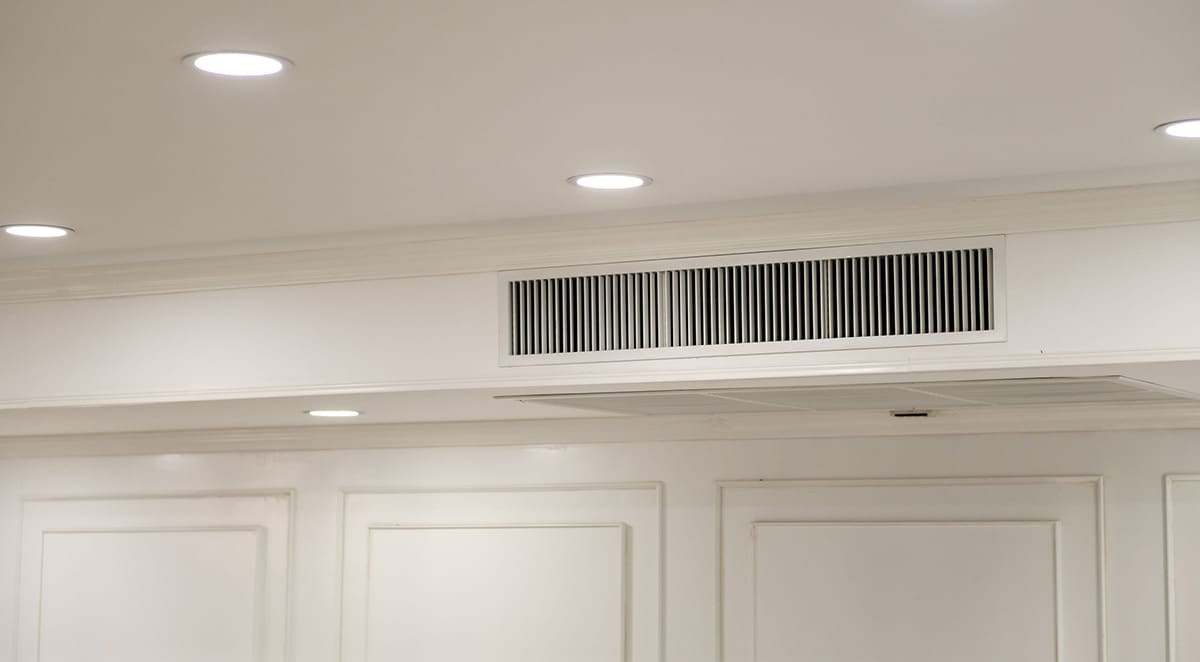
Your system pulls air in through return vents, conditions that air, and then pushes it back into the home through supply vents.
For comfort to be consistent, air must move freely through this cycle.
Comfort depends on more than temperature
Many homeowners focus only on the thermostat setting. While temperature matters, comfort is also affected by how well conditioned air reaches each room.
If airflow is uneven, two rooms can have the same thermostat setting but feel very different.
Why Some Rooms Receive More Air Than Others
Not every room is equally easy to heat or cool
Some rooms naturally require more conditioned air than others.
Factors that affect comfort include:
- Large windows
- High ceilings
- Sun exposure
- Room size
- Distance from the HVAC system
These factors can cause certain rooms to gain or lose heat faster than others.
Ductwork plays a major role
Your duct system is responsible for delivering air throughout the home.
If ductwork is undersized, damaged, leaking, or poorly balanced, some rooms may not receive enough airflow to maintain comfort.
Common Signs of an Airflow Problem
Some rooms are always uncomfortable
One of the most obvious signs is when the same rooms are consistently hotter or colder than the rest of the house.
This often points to an airflow imbalance rather than a problem with the thermostat.
Weak airflow from vents
You may notice that some vents produce a strong stream of air while others barely seem to move any air at all.
This can indicate restrictions, duct issues, or airflow balancing concerns.
The system runs longer than expected
When conditioned air is not reaching parts of the home effectively, the system may run longer trying to satisfy the thermostat.
This can affect both comfort and energy efficiency.
The Role of Air Filters in Airflow
A dirty filter restricts air movement
Your air filter protects both your indoor air quality and your HVAC equipment.
As the filter collects dust and debris, airflow becomes more restricted. This forces the system to work harder to move air throughout the home.
Small maintenance items can make a big difference
Many homeowners are surprised by how much comfort can improve simply by replacing a dirty filter.
Regular filter changes help maintain consistent airflow and allow the system to operate more efficiently.
For more information, check out our blog:
How Often Should You Change Your Air Filter? (And Why It Matters During Allergy Season)
Why Closing Vents Doesn’t Always Save Energy
It can actually create airflow problems
Some homeowners close vents in unused rooms hoping to reduce energy costs.
In most systems, this can disrupt airflow balance and increase pressure inside the ductwork.
HVAC systems are designed for specific airflow
Most residential systems are engineered to move a certain amount of air.
When vents are closed, the system still attempts to move the same volume of air, which can affect comfort throughout the rest of the home.
Airflow and Energy Efficiency Go Hand in Hand
Restricted airflow makes your system work harder
When air cannot move efficiently through the system, the equipment must run longer to achieve the same result.
This can lead to:
- Higher utility bills
- Increased equipment wear
- Reduced comfort
Better airflow often improves efficiency
One of the simplest ways to improve efficiency is to ensure the system can move air properly.
Good airflow helps your HVAC system deliver conditioned air where it is needed most.
Why Upstairs Rooms Often Feel Hotter
Heat naturally rises
Warm air rises within a home, which is one reason second-story rooms often feel warmer during the summer.
At the same time, upper floors are often closer to hot attic spaces, which can increase heat gain.
Airflow may not be keeping up
Even if your air conditioner is working properly, upstairs rooms may not be receiving enough conditioned air to offset the additional heat.
In many homes, airflow adjustments can improve comfort significantly.
Professional Airflow Evaluations Can Identify Hidden Issues
Comfort problems often have a specific cause
Many homeowners assume they need a larger system when rooms are uncomfortable.
In reality, comfort issues are frequently related to airflow, ductwork, insulation, or system balancing rather than equipment size.
Every home is different
The best solution depends on the home’s layout, duct design, insulation levels, and existing HVAC system.
A professional evaluation can help identify the root cause rather than simply treating the symptoms.
Maintenance Helps Keep Airflow Consistent
Preventative maintenance supports system performance
Airflow issues often develop gradually. Dirty coils, clogged filters, and other maintenance-related concerns can reduce performance over time.
Regular maintenance helps ensure the system is operating as efficiently as possible.
Staying on schedule removes the guesswork
Many homeowners choose a maintenance plan that includes seasonal tune-ups, filter replacements, repair discounts, and priority scheduling.
Keeping maintenance on track helps support airflow, comfort, and long-term system performance.
You can learn more about those options here:
Comfortable Homes Start With Good Airflow
Many comfort complaints can be traced back to airflow rather than the heating or cooling equipment itself.
When air moves properly throughout the home, temperatures are more consistent, rooms feel more comfortable, and the HVAC system operates more efficiently.
Understanding how airflow affects your home is often the first step toward solving comfort problems that have existed for years.
Ready to Improve Comfort Throughout Your Home?
If some rooms in your home never seem comfortable no matter what you set the thermostat to, an airflow evaluation may help identify the cause.
Schedule online here:
Or call 801-698-0096 to speak with a member of the Sammy’s Heating & Air team.
Related Blog Posts
• Why Some Rooms in Your Home Are Always Uncomfortable
• How to Keep Your Home Comfortable During a Utah Heat Wave
• Why Your Energy Bills Go Up in Summer (Even When Your AC Seems Fine)
• How Often Should You Change Your Air Filter?