
The first cool night hits, the house gets a little chilly, and you finally switch the heat back on. A few minutes later, the furnace kicks on and suddenly the house smells like something is burning. Most people notice it every fall and wonder if it’s a problem. In most cases, it isn’t.
That “burning” smell is usually just dust burning off
All summer long, your furnace sits idle while dust, pet hair, and tiny debris settle on the burners, heat exchanger, and other internal parts. When you turn the system on for the first time, that layer of dust heats up and burns away. It releases a dry, slightly burnt odor through the vents—similar to when you turn on a space heater that’s been sitting in storage. This smell should fade within 15 to 30 minutes as the system clears out. Opening a window or running the fan for a short time can help it pass faster.
When smells mean something’s wrong
Certain odors signal that something isn’t right inside the system. Here’s what to watch (or smell) for:
- Sharp, electrical, or metallic smells: could mean an overheating blower motor or failing electrical components. These parts can short out or burn through insulation if left unchecked.
- Hot plastic or rubber odors: may indicate wiring insulation or a foreign object near the heat exchanger is melting.
- Sulfur or “rotten egg” smell: almost always means a gas leak. This one’s serious—turn the system off immediately, leave the home, and call for service or your gas utility company.
Any of these smells warrant a professional inspection before you use the system again.
Small warning signs before a breakdown
Most furnace failures don’t happen suddenly. They start with little hints that something’s off. Pay attention if you notice:
- A burning or musty odor that doesn’t go away after the first half hour
- The furnace turning on and off more often than usual
- Uneven heating between rooms
- The system struggling to keep up once temperatures really drop
Each of these can point to restricted airflow, weak ignition, or electrical strain—issues that are minor now but can become costly later.
Why a real fall tune-up matters
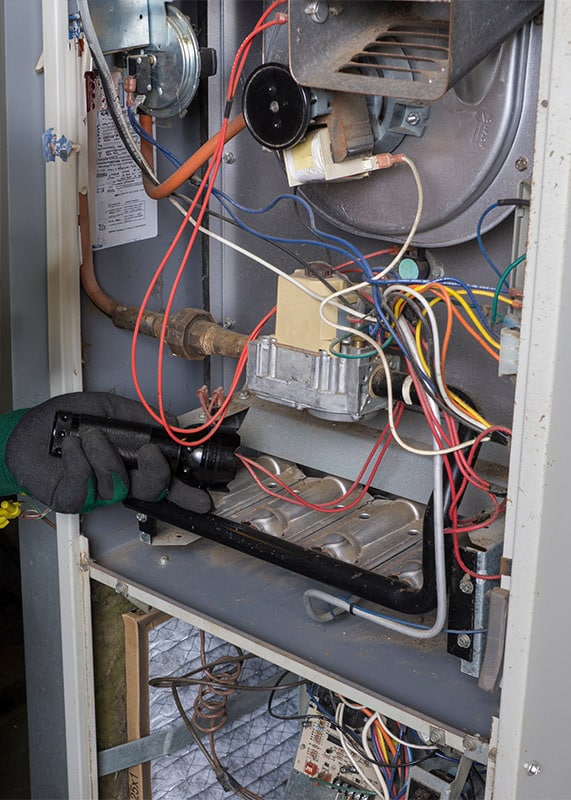
A professional tune-up is the difference between a safe, efficient furnace and one that gives you trouble all winter. The best technicians don’t just glance inside—they:
- Clean burners and ignition components so combustion is even and efficient
- Test the flame sensor, ignitor, and gas pressure for proper readings
- Inspect the heat exchanger for cracks or corrosion
- Verify that airflow and blower motor operation are balanced
- Ensure all safety switches and wiring are secure and functioning correctly
This level of maintenance prevents most odors, improves indoor air quality, and keeps the furnace running safely under heavy use.
Stay ahead before winter hits
Salt Lake City and Ogden winters are long. Your furnace is about to run every single day for months. A proper inspection now is the difference between a warm, worry-free winter and a 10 p.m. emergency call when it’s 18 degrees outside.
Schedule before the first cold snap
If you’d like one of our technicians to go through your furnace the right way, just reach out and we’ll get you taken care of. At Sammy’s Heating and Air there is no pressure. No scare tactics. Just an honest tune-up done correctly so you know your system is safe and ready. Call or schedule online before the first real cold snap hits. It will save you stress later.