Why your home may still feel uncomfortable even when the heat is running
When a home feels cold or uncomfortable, the thermostat is usually the first thing homeowners adjust. Turning it up feels like the obvious solution. But in many cases, thermostat settings and habits actually make comfort problems worse instead of better.
Along the Wasatch Front, from Ogden to Draper, we see many homes where the heating system is working, but the comfort still isn’t there. Often, the issue isn’t the furnace at all, it’s how the thermostat is being used or how the system is responding to it.
This blog explains how thermostats really work, common mistakes homeowners make, and what actually helps improve comfort.
How a Thermostat Really Works
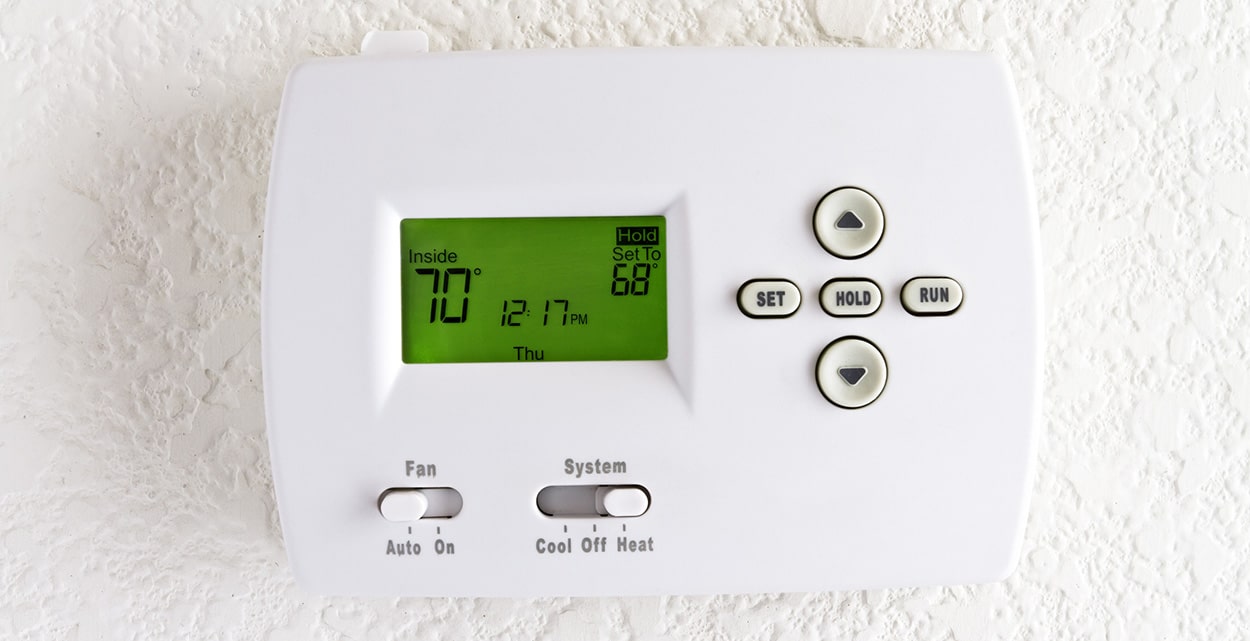
The thermostat is a switch, not a heater
A thermostat does not control how quickly your home heats up or how hot the air coming from the vents will be. Its role is simply to sense the temperature in its location and signal the HVAC system to turn on or off.
When you raise the thermostat setting, the system does not increase output or deliver warmer air. It operates at the same capacity and airflow, it just runs for a longer period of time until the set temperature is reached.
This is why setting the thermostat significantly higher than your desired temperature often leads to overheating already comfortable rooms without meaningfully improving comfort in colder areas. The underlying limitation is not thermostat power, but how heat is distributed throughout the home.
Understanding this helps set realistic expectations and highlights why comfort issues are usually related to airflow, insulation, or system balance rather than thermostat settings alone.
It only reads one location
Most homes have a single thermostat located in one room. That thermostat measures temperature in that specific area, not throughout the entire house.
If that room reaches the set temperature, the system shuts off, even if other rooms are still uncomfortable.
Common Thermostat Mistakes That Hurt Comfort
Constantly adjusting the temperature
Many homeowners raise and lower the thermostat throughout the day trying to chase comfort. This often leads to temperature swings, uneven heating, and frustration.
In reality, frequent adjustments usually make the system work harder without improving how the home feels.
Turning the thermostat way up to “heat faster”
This is one of the most common misconceptions. HVAC systems deliver heat at a fixed rate. Setting the thermostat higher won’t speed things up, it just increases runtime and energy use.
Large temperature setbacks
Turning the thermostat way down at night or while away and then turning it way up again can cause longer recovery times and uneven comfort, especially in colder weather.
Why Your Home Can Still Feel Uncomfortable Even With the Right Setting
Airflow and balance matter more than the number
If heated air is not reaching certain rooms in the right amount, adjusting the thermostat will not correct the problem. HVAC systems are designed to deliver a specific volume of air, and when that air is unevenly distributed, temperatures vary from room to room.
Some rooms may receive more airflow than needed and warm up quickly, while others receive too little and remain cold. This imbalance often becomes more noticeable during colder weather, when the system is running longer and airflow limitations are exposed.
Insulation and drafts affect comfort
Rooms with insufficient insulation or air leaks lose heat faster than the rest of the home. Even if the thermostat indicates the correct temperature, these rooms may still feel colder because heat is escaping through walls, ceilings, windows, or floors.
Drafts allow cold air to enter and warm air to leave, which lowers the effective temperature in the room. This can make a space feel uncomfortable even when the HVAC system is operating normally and the rest of the home feels fine.
Thermostat placement matters
A thermostat measures temperature only in the immediate area around it. If it is located near a draft, window, exterior wall, hallway, or heat source, it may not accurately represent the comfort level of the rest of the home.
For example, a thermostat in a warm central hallway may reach the set temperature quickly, causing the system to shut off before cooler rooms have had time to warm up. This can contribute to uneven comfort even when the thermostat setting appears correct.
Smart Thermostats Can Help, But Only When Used Correctly
Automation doesn’t fix airflow problems
Smart thermostats are useful tools, but they don’t correct duct issues, insulation problems, or airflow imbalance. They can improve efficiency and consistency, but only when the underlying system is working properly.
Comfort comes from consistency
Maintaining a steady temperature often results in better comfort than frequent adjustments. Smart thermostats work best when programmed thoughtfully, not constantly overridden.
What Actually Improves Comfort
Airflow evaluation and adjustments
Before changing thermostat habits, airflow should be evaluated. Adjusting dampers, improving return air, or correcting restrictions often makes a noticeable difference.
Addressing insulation and air leaks
Sealing drafts and improving insulation helps rooms hold heat longer, reducing reliance on thermostat changes.
Understanding how your system responds
Learning how long your system takes to heat the home and how it cycles can help set realistic expectations and reduce frustration.
Why an Honest HVAC Evaluation Matters
Thermostat problems are often symptoms, not causes
If a home never feels comfortable, the thermostat is usually reacting to a deeper issue, not causing it. Replacing or upgrading a thermostat without addressing airflow, insulation, or system design rarely solves comfort complaints.
Practical solutions come first
At Sammy’s Heating & Air Conditioning, comfort issues are approached by looking at the whole system. The goal is to understand what’s preventing the home from feeling comfortable and fix that issue before recommending upgrades.
Love Your Home’s Comfort Without Fighting the Thermostat
Your thermostat should help maintain comfort, not become a source of daily frustration. When the HVAC system is balanced and the home holds heat properly, small thermostat adjustments go a long way.
Comfort comes from understanding how your home works, not constantly battling the controls.
Ready to Improve Comfort in Your Home?
If your thermostat settings never seem to deliver the comfort you expect, it may be time for a professional evaluation.
Schedule online here:
https://sammyshvac.com/contact-us/
Or call 801-698-0096 to talk with a technician who will walk through your comfort concerns and explain your options clearly.