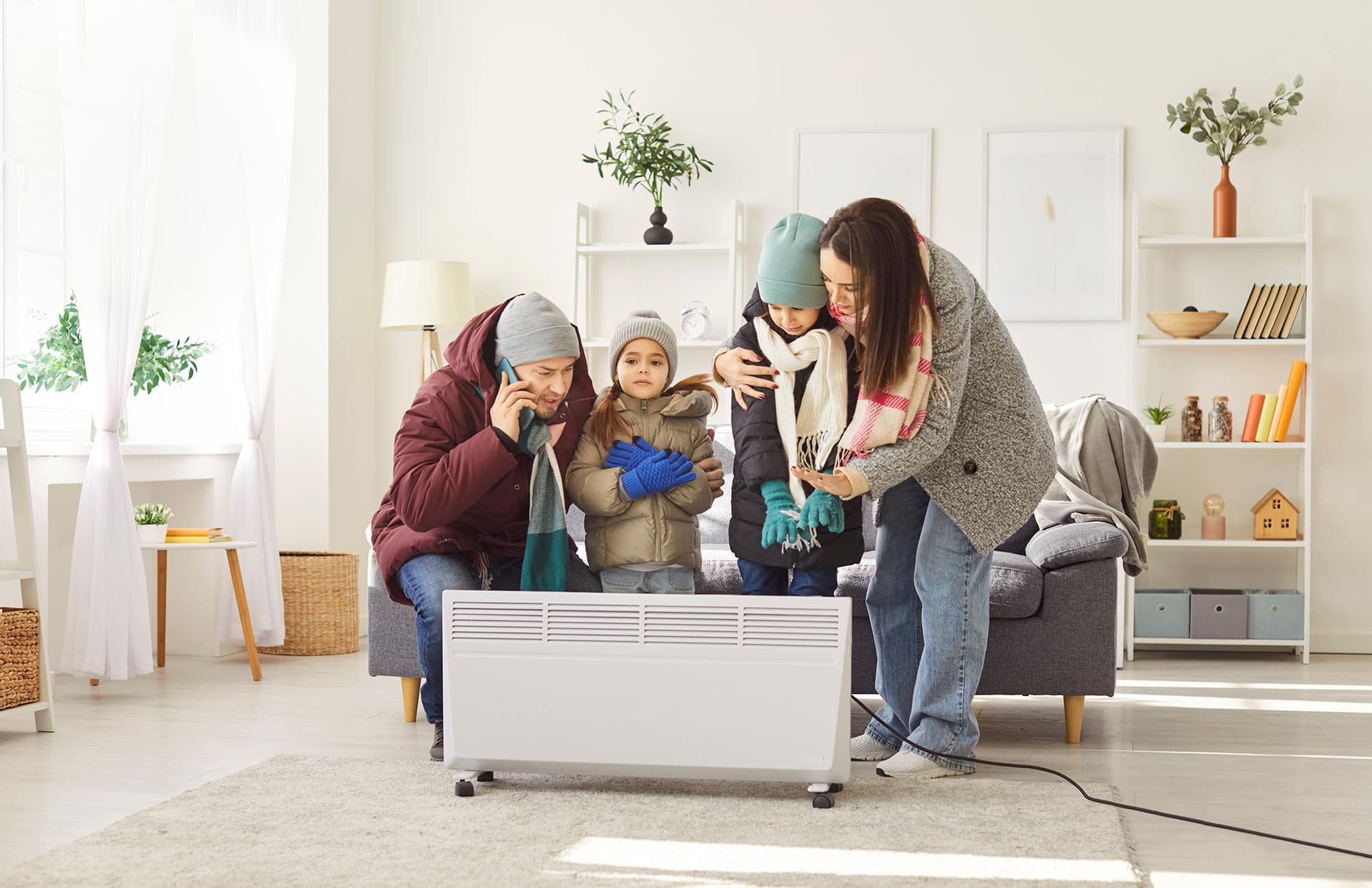
Every year, as soon as temperatures drop, heating calls spike. Furnaces go from sitting idle all summer to running constantly overnight. Any weak or dirty components get stressed fast. Here are the problems we see the most when the first real cold week hits:
1
The flame sensor is covered in buildup and can’t read the flame.
Throughout the summer, dust and oxidation slowly coat the flame sensor, a small metal rod that “proves” the flame is lit. When it’s dirty, the furnace lights briefly, then shuts down for safety because it thinks there’s no flame. It’s one of the most common no-heat issues we see on that first cold night, and it’s solved with a simple cleaning during maintenance.
2
The ignitor is worn and cracks under the first heavy workload.
After months of sitting unused, that delicate ceramic ignitor gets hit with sudden heat stress when the furnace starts cycling multiple times a night. If it’s brittle, it can crack instantly. Without ignition, you’ll just hear the blower run with no warm air coming out. A tune-up checks ignitor resistance and can replace it before it fails.
3
The blower motor overheats because airflow is restricted.
When filters are clogged or ducts are partially blocked, the blower motor has to work much harder to move air through the system. That strain leads to overheating, noisy operation, or full motor failure. Homeowners often notice weak airflow or hot-and-cold spots first. Fresh filters and proper air balance are easy ways to prevent this one.
4
Condensate drains clog from sitting all summer.
High-efficiency furnaces create condensation that drains away through a small tube. When that line dries out over summer, dust and slime can build up inside. Once the furnace starts running, the water backs up and trips a safety switch. It’s an easy fix for a technician, but a big headache when you’re left without heat on a cold night.
5
Gas pressure is slightly out of range, so the flame struggles to stay stable.
Tiny shifts in gas pressure, caused by utility fluctuations or regulator wear, can make your furnace flame flicker or go out. The system senses that instability and shuts off repeatedly. A professional uses instruments to measure and adjust the pressure so your furnace burns cleanly, safely, and efficiently.
6
Dust burns off inside the heat exchanger and sends that familiar smell through the home.
That familiar burnt-dust smell is normal to a degree—it’s just debris burning off internal surfaces. But heavy buildup can mean the system is overdue for a deep cleaning. Layers of dust and pet hair can also get pushed through the ducts, affecting indoor air quality and triggering allergies right when you close up the house for winter.
7
System wear from lack of maintenance causes the furnace to strain and eventually fail under demand.
Every furnace has moving parts, bearings, belts, and electrical components that degrade with time. Without routine inspection, small issues like a weak capacitor or frayed wire go unnoticed—until the system runs non-stop in cold weather and something gives out. Regular maintenance restores efficiency, prevents breakdowns, and extends the life of your equipment.
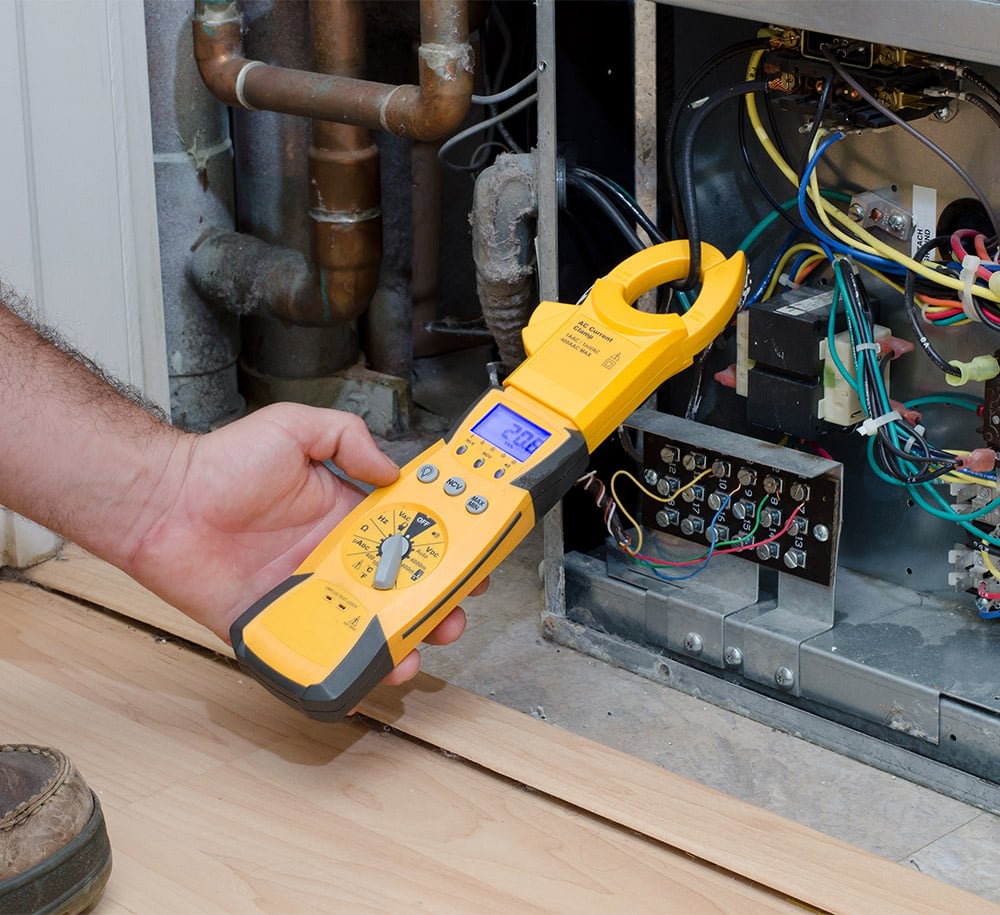
The frustrating part is that almost all of these issues are preventable. A proper tune-up catches them before the system is expected to run all day and night. Not a quick glance. Not a “checklist for show.” Real testing, measuring, cleaning, and adjustments.
The first cold snap is the most common time for furnaces to fail. Once winter fully settles in, every HVAC company from Salt Lake to Ogden gets booked out, and emergency calls stack up fast. The people who schedule early don’t deal with any of that.
Ready before the rush?
If your furnace hasn’t been looked at since last winter, now is the time to get ahead. We’ll inspect it thoroughly, clean the components that get stressed the most, and make sure it’s ready before the temperature really drops. Here at Sammy’s Heating and Air there is no pressure. No upselling games. Just an honest evaluation and real maintenance that keeps you warm and avoids surprise breakdowns.